Why Your Insurance Won’t Cover an Accident: 20 Key Reasons
Accidents happen when we least expect them. We pay premiums each month thinking, “If something goes wrong, I’ll be okay.” But what if it turns out your insurance claim is denied because the accident isn’t covered? In 2025, with evolving policy language, digital claims, and increasing risks, it’s more important than ever to know why insurance won’t cover an accident — and how you can prevent that outcome. This article dives deep into 20 major reasons claims are denied or excluded, what they mean in plain English, and what you can do about them.
The Policy Lapsed or Premiums Were Unpaid
One of the simplest — yet most overlooked — reasons an insurer refuses to pay is that the policy was not active at the time of the accident. If your premium payment was late, or you neglected renewal, the insurer may treat the accident as occurring when you had no valid coverage.
Let’s unpack that: Imagine you haven’t paid your car insurance premium for two months, then your vehicle is involved in a collision. The insurer checks and sees your policy was cancelled or suspended. They will likely deny the claim, because technically you weren’t “covered” at the moment the accident happened.
What you can do:
-
Make sure your policy shows “in force” status on the accident date.
-
Maintain proof of payment and renewal documents.
-
If you received a cancellation notice, act on it immediately.
-
Consider setting up automatic payments or reminders.
2. The Accident Involved Intentional or Criminal Acts
Insurance is designed to protect against fortuitous — unexpected and accidental — losses, not ones you cause deliberately or through crime. According to insurer-resources, exclusions often include damage from illegal acts, intentional self-harm or acts, and racing.
For example, if someone intentionally crashes into their own vehicle to claim insurance, the insurer will deny the claim because the loss was not accidental. Similarly, if a driver is intoxicated and causes the collision, coverage may be voided depending on policy terms.
What you can do:
-
Always obey the law and drive sober.
-
If you were not the fault party, collect evidence (police report, witness statements) showing you were not committing a crime.
-
Review your policy to see what kinds of conduct are excluded.
3. The Driver or Person Involved Was Unauthorised or Not Licensed
Another frequent reason for denial: the person who caused the accident was not permitted under your policy. For auto insurance, most policies require listed drivers, valid licenses, and compliance with specified uses.
Example: You lend your car to someone who doesn’t have a full licence or is explicitly excluded under your policy. They crash it. The insurer may say: “You allowed an unauthorised driver — coverage void.”
What you can do:
-
Ensure all regular drivers are listed on the policy and have valid licences.
-
Avoid lending your vehicle to someone who is high risk or not declared.
-
Check policy wording about “named driver” vs “any driver” coverage.
4. The Accident Happens During an Excluded Use (e.g., Commercial or Unapproved Use)
Policies often specify how the asset (car, home, equipment) is being used. If the actual use at the time of the accident falls outside that permitted use, you risk denial. For instance, using a personal car for ridesharing or delivery may fall outside personal auto coverage. Collins Law, LLC+1
Say you agreed your car was for “personal use only”, but you were making food-delivery runs when the accident occurred. Because you used the vehicle commercially without coverage, the insurer may deny.
What you can do:
-
Clearly state the intended use when purchasing or renewing.
-
If you shift to commercial/ride-hailing work, upgrade to a suitable policy.
-
Keep a usage log if needed, and be transparent with the insurer.
5. Exclusion Clause in the Policy (Coverage Exclusions)
Every insurance policy contains exclusions — situations where the insurer explicitly says “we won’t cover this”
Common examples include war/terrorism, wear-and-tear, intentional damage, illegal acts, or damage arising from maintenance negligence. The reason is insurers carve out high-risk or predictable events to keep premiums affordable.
If your claim is denied, you’ll usually find an exclusion clause in your policy that matches the situation.
What you can do:
-
Read the “Exclusions” section of your policy carefully.
-
Ask your agent to highlight any excluded uses or risks.
-
Consider adding riders or endorsements to cover gaps (at extra cost).
6. Failure to Give Prompt Notice of the Accident
Insurance policies typically require that you notify the insurer of the accident within a certain timeframe. Delayed or incomplete notification can give the insurer grounds to deny.
For example: your car is hit in a parking lot, but you wait a week to contact your insurer. During that time, evidence may degrade and the insurer may argue you hindered investigation.
What you can do:
-
At the moment of the accident (or immediately after), call your insurer or agent.
-
Keep a record of when you reported, whom you spoke to, and what you submitted.
-
Take photos and gather witness statements immediately.
7. Misrepresentation or Omitted Material Facts at Purchase or Renewal
If you misstate your risk (intentionally or unintentionally) when applying for or renewing insurance, the insurer can deny a claim due to material misrepresentation.
For example, you claimed you would only use your car for personal commuting, but you actually drive it for business deliveries. That incorrect use is material to underwriting. Or you failed to disclose prior accidents or tickets.
What you can do:
-
Be honest and accurate when applying or updating your policy.
-
If your circumstances change (job, uses, drivers), update your insurer.
-
Keep documentation of all your disclosures.
8. The Loss Was Caused by Wear & Tear, Maintenance Neglect or Predictable Deterioration
Insurers do not cover losses that come from ordinary deterioration, wear and tear, or lack of maintenance.
Example: If your vehicle's brakes fail because you ignored servicing for years, and then you crash, the insurer may say the root cause is neglect, so the accident is excluded.
What you can do:
-
Follow manufacturer/service schedules for your assets.
-
Keep service receipts and maintenance logs.
-
If you anticipate a claim, show proof you did routine upkeep.
9. The Accident Occurred While Engaging in a High-Risk Activity Not Covered
Many policies exclude accidents arising from extreme sports, racing, stunt driving, or other high-risk activities.
Imagine you were doing a drag race or take part in an unapproved motorsport event and crashed — the policy might explicitly say racing is excluded.
What you can do:
-
Check your policy for clauses about “racing”, “timed events”, “underground use”.
-
If you plan to engage in high-risk use, purchase a specialist policy or rider.
-
Keep your use within terms defined.
10. The Accident Was Caused by Uninsured or Under-insured Third Party
Sometimes your policy covers your damage only if the third party (at fault) is insured or under the correct coverage. If the at-fault driver has no insurance or doesn’t have enough, your claim may be impacted. Some jurisdictions require you to pursue them directly.
For instance, you’re hit by someone without insurance. Your own insurance may pay only limited damages, or require you to navigate subrogation efforts.
What you can do:
-
Consider adding “uninsured/underinsured motorist” coverage.
-
Keep records of the other party’s credentials and insurance status at accident scene.
-
Report to your own insurer and ask about your coverage possibilities.
11. The Vehicle or Asset Was Not Insured for That Type of Loss (Coverage Gap)
Even if you have insurance, you might not be insured for that specific kind of loss. For example, you have liability only, but you need collision or comprehensive for your vehicle. If you only have homeowner’s insurance, it may not cover car accidents.
Example: Your home insurance doesn’t cover your car; your auto insurance doesn’t cover flooding. When the accident happens, the insurer says “we don’t cover this kind of peril”.
What you can do:
-
Match your insurance policy type to the asset and risk (auto vs. home vs. commercial).
-
Review your limits and types of coverage (liability, collision, comprehensive).
-
Ask your agent what gaps might exist.
12. The Policy Limit Exceeded or Deductible Too High
Sometimes your claim is “covered” in principle, but the damages exceed your policy limit or you must bear deductible/excess that renders the payout minimal. The insurer may still “deny” to the extent that you receive nothing meaningful.
Example: You have coverage up to US$10,000 but your accident causes US$50,000 damages. The policy only pays the limit. Or you have a deductible of US$5,000 and your damage is US$4,000 — you effectively get nothing.
What you can do:
-
Review your coverage limits and deductibles; make sure they’re realistic for your risk.
-
Consider upgrading limits if you have higher-value assets.
-
Before a claim, evaluate whether the damage is worth pursuing vs. paying out your deductible.
13. The Accident Resulted From a Pre-Existing Condition or Hazard
Insurers may deny claims if the loss stems from something you had control over beforehand, or if a hazardous condition existed before the accident and was not remedied. This is especially for property or health-related accidents.
For instance, you know your vehicle had faulty brakes for months, you didn’t fix them, and then you crashed — the insurer may attribute the loss to the pre-existing hazard rather than “accident”.
What you can do:
-
Document the condition of your asset prior to the accident.
-
Carry out recommended inspections and repairs.
-
If you know a hazard existed, address it promptly and document the repair.
14. The Cause of the Accident Is Excluded (Act of God, War, Nuclear, etc.)
Some causes are simply carved out: war, terrorism, nuclear hazards, earth movements, acts of God, flood or earthquake (unless separately insured).
For example, your car is damaged during a war zone event or after an un-insured earthquake. Your standard policy likely excludes that.
What you can do:
-
Check if your policy excludes the peril that caused your accident.
-
If you live or travel in risk-zones (flood, quake, war), consider specialist insurance.
-
Ask about endorsements to cover excluded perils.
15. The Accident Occurred While Your Asset Was Out of Control (“Unauthorized Use”, “Stolen Vehicle”, etc.)
If your vehicle was stolen, used without permission, or you were driving someone else’s vehicle not insured under your policy, the insurer may refuse.
Example: You loan your car out and it gets into an accident — but you didn’t authorize the driver, or the driver was excluded under your policy. The insurer may say the accident happened while the car was not in rightful use.
What you can do:
-
Keep control of who uses your asset.
-
Make sure all authorised drivers are declared.
-
Report theft or unauthorised use immediately to the police and your insurer.
16. You Failed to Mitigate the Loss or Prevent Further Damage
Insurance contracts often include a duty to mitigate — you must take reasonable steps to prevent further damage once the accident happens. If you neglect that, the insurer may argue you contributed to the loss.
For example: After a crash, you leave the vehicle on a busy highway attracting further damage, instead of securing and towing it. The insurer may reduce or deny because you failed to act reasonably.
What you can do:
-
After any accident, secure the scene, prevent further damage if safe (cover, tow, alert authorities).
-
Keep records of what you did post-accident.
-
Inform insurer immediately and ask what steps they expect you to take.
17. Insurer Investigation Shows Fraud, Misleading Info or Claim Exaggeration
Insurance companies investigate claims. If they conclude there was fraud, misrepresentation or exaggeration (e.g., claiming more damage than occurred), they may deny the claim.
Example: You claim medical expenses or repair costs much higher than normal, or you fabricate what happened. That triggers denial or even legal action.
What you can do:
-
Always submit accurate, honest documentation.
-
Retain receipts, photos, repair quotes.
-
If you’re unsure what to submit, ask your insurer or agent for guidance.
18. Accident Happens Outside the Geographical or Temporal Scope of the Policy
Policies can restrict coverage to specific geographic regions (country/state) or time periods (policy term, approved hours). If the accident happens outside those bounds, you’re at risk of denial.
For example: Your policy covers driving in your home country, but you took the vehicle abroad and crashed. Or you purchased insurance for the term Jan-Dec but had an accident after renewal date.
What you can do:
-
Read policy for geographic territory and term.
-
If you travel abroad, look for “international coverage” or add-ons.
-
Keep track of policy start/expiry and renewal dates.
19. The Accident Was Not Reported to Police or Authorities as Required
Some policies require that you report an accident to the police (for vehicles) or authorities within a specific time or obtain a report. If you don’t, the insurer may deny on procedural grounds.
For example: you crash in a hit-and-run, but you don’t file a police report. When you submit a claim, the insurer says “We have no official documentation — your claim is invalid.”
What you can do:
-
Immediately contact the police or relevant authority after an accident.
-
Obtain a written report and keep a copy.
-
Submit it to your insurer as part of your claim file.
20. You Chose Not to Purchase a Rider or Additional Coverage for That Specific Risk
Sometimes the accident is covered—but not under your base policy. You may have needed a rider or endorsement that you didn’t purchase. In effect, you’re choosing not to buy the extra protection.
Example: You have a home insurance policy, but you did not add flood coverage. A flood causes your accident-related damage — your claim is denied because you didn’t purchase the flood rider.
What you can do:
-
At the time of buying/renewing insurance, ask about optional riders for high risk (flood, hail, theft, business use).
-
Evaluate the extra premium cost vs the potential loss.
-
Regularly review your changing lifestyle/asset value to determine if you need additional coverage.
Solutions Summary — What You Can Do to Prevent a Denied Accident Claim
Let’s summarise the actionable things you can do to protect yourself:
-
Read your policy carefully – focus on coverage, exclusions, duties, and terms.
-
Keep your premium payments up-to-date and maintain proof.
-
Report accidents promptly and gather documentation (photos, police report, witnesses).
-
Disclose all material facts truthfully and update your insurer of any changes (use, drivers, geography).
-
Perform proper maintenance of your assets and document it.
-
Match your policy type to the asset and its use (personal/commercial).
-
Consider adding riders or enhanced coverage when needed.
-
Ask questions: If the policy says something is excluded or you’re unsure, clarify with your agent.
-
Keep your own records: service receipts, usage logs, driver list, payment proof, correspondence.
-
After an accident, act responsibly: mitigate further damage, secure the scene, follow instructions.
Why These Denials Are More Common in 2025
There are evolving trends in 2025 that make these denial reasons especially relevant:
-
Insurers are using advanced data analytics to detect misrepresentation, fraud or improper use.
-
Digital policies are more common — many policyholders don’t read the fine print when buying via apps.
-
Rideshare, gig economy, and hybrid asset uses have introduced new “unapproved use” risks.
-
Climate change means more perils (flood, hail, wildfires) that may be excluded unless you buy special coverage.
-
Premium pressure is real — insurers tighten underwriting and exclusions to keep portfolios viable.
Understanding these changes means you’re better positioned to stay ahead of risks.
Real-World Example: Car Accident Denial & How to Avoid It
Let’s walk through a scenario:
Scenario: Sara purchases a personal auto insurance policy for her vehicle. She lists the car as “personal use only” and allows only her husband to drive. One weekend, she lets a friend use her car for a ride-sharing delivery job (unreported to the insurer). The friend crashes while on a delivery. When Sara submits the claim, the insurer investigates and finds that the car was used for commercial purposes — a clear policy violation/unauthorised use. The claim is denied.
What went wrong:
-
The policy required “personal use only” but the use was commercial.
-
The driver may not have been listed or approved.
-
The insurer found the actual use was excluded.
How she could have avoided it:
-
Before changing the car’s use, contact the insurer and declare ride-sharing/delivery use.
-
Upgrade the policy to a commercial auto policy or add a rider.
-
Keep records of how the vehicle is used and ensure only listed drivers operate it.
Real-World Example: Property Accident Denial Due to Maintenance Neglect
Scenario: Ahmed owns a house and has homeowner’s insurance. Over time, the roof develops cracks and leaks, but he delays repair. A heavy storm hits and the roof collapses, causing internal damage. When he claims, the insurer points out that the root cause was maintenance neglect and wear & tear, which are excluded. The claim is denied.
What went wrong:
-
The damage resulted from a pre-existing issue (roof condition) rather than a sudden unexpected peril.
-
The insurer invoked the wear & tear/maintenance exclusion.
How Ahmed could have avoided it:
-
Regularly maintain the roof and document repairs.
-
If he detects issues, fix them promptly.
-
Inform the insurer of potential risks or changes in condition.
-
Possibly consider adding an endorsement for storm/flood if needed.
What to Check in Your Policy Right Now
Here’s a checklist you can use today to spot potential gaps:
-
✅ Effective dates: Is coverage active on the accident date?
-
✅ Named drivers/vehicles: Are all drivers and vehicles properly listed?
-
✅ Permitted use: Does the policy allow the type of use you anticipate (personal, business, ride-hailing)?
-
✅ Geographic scope: Does the policy cover where the accident can happen (domestic vs international)?
-
✅ Perils covered vs excluded: Are common hazards (flood, earthquake, wear & tear, commercial use) excluded?
-
✅ Premium status: Are payments up-to-date, any cancellation notices given?
-
✅ Obligation to notify: What is the timeframe and procedure for reporting?
-
✅ Deductible & limits: Do you have sufficient limits and realistic deductible for your risk?
-
✅ Maintenance obligation: Are there stipulations about upkeep of the asset?
-
✅ Riders/endorsements: Are any optional coverages that you might need missing?
Walking through this checklist helps you pre-empt many of the “why insurance won’t cover an accident” pitfalls.
What to Do If Your Claim Is Denied
Even after following best practices, claim denial can still happen. Here are steps to address it:
-
Request a written explanation from the insurer detailing why the claim was denied and which policy clause applies.
-
Review your policy and the denial reason side-by-side. Look for any mismatch or ambiguity.
-
If you feel the denial is unfair, you may:
-
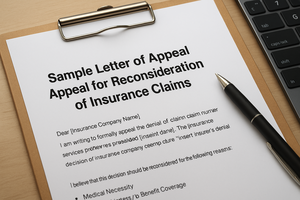
File an appeal with your insurer.
-
Seek assistance from a policyholder advocate or insurance ombudsman (depending on your country).
-
Consult a legal professional specialising in insurance law.
-
-
Document everything: communications, receipts, photos, expert opinions. This builds your case.
-
Consider whether obtaining additional or alternative coverage makes sense for the future — learn from the experience.
The Bottom Line — Why This Matters to You
You buy insurance to protect yourself, your family and assets. But knowing you’re protected only works if you understand what you’re actually protected against.
When you don’t know the limitations, you could find yourself responsible for large unexpected costs. By understanding the 20 major reasons listed above, you shift from passive policy-holder to informed risk-manager.
The goal isn’t just to avoid a denied claim — it’s to ensure your coverage matches your risk, your use, and your lifestyle. You deserve the peace of mind that comes from truly effective protection.
FAQs
Q1: Can an insurer deny a claim even if I paid all premiums on time?
Yes. Even if your premiums are current, coverage can still be denied if the accident falls under an exclusion, if you used the asset in a way not permitted, or you failed to fulfil obligations like timely reporting or maintenance.
Q2: If someone else caused the accident, will my insurance always cover my damage?
Not automatically. If the at-fault party is uninsured or underinsured, or if your policy doesn’t include uninsured/underinsured motorist coverage, your insurer may limit or deny the claim. Also, if your own asset use violates your policy terms, you may still face denial.
Q3: What is a rider or endorsement — do I really need one?
A rider or endorsement is an add-on to your base policy that covers specific risks otherwise excluded (e.g., flood, commercial use, high-risk activity). If you face those risks, yes, you should consider a rider. Otherwise, you might face a denial because the standard policy doesn’t cover that risk.
Q4: My car was stolen and crashed by a thief — will my insurer deny my claim?
It depends on your policy terms. If your policy covers theft and subsequent damage, and you report it promptly, you may be covered. But if you allowed unauthorised use, or the vehicle was used in an excluded way (e.g., illegal racing) by the thief, denial is possible.
Q5: Is a claim denial always final? Can I appeal?
No, it’s not always final. You can request a detailed written reason for denial, review your policy, and file an appeal with your insurer. If necessary, seek external dispute resolution or legal advice. Always proceed by documenting everything and meeting deadlines.
Q6: What if the exclusion wording in my policy is unclear?
If wording is ambiguous, some jurisdictions favour the insured (the “contra-proferentem” rule). You may ask for clarity from your insurer or legal advice. Always retain the exact policy wording and any communications for your records.